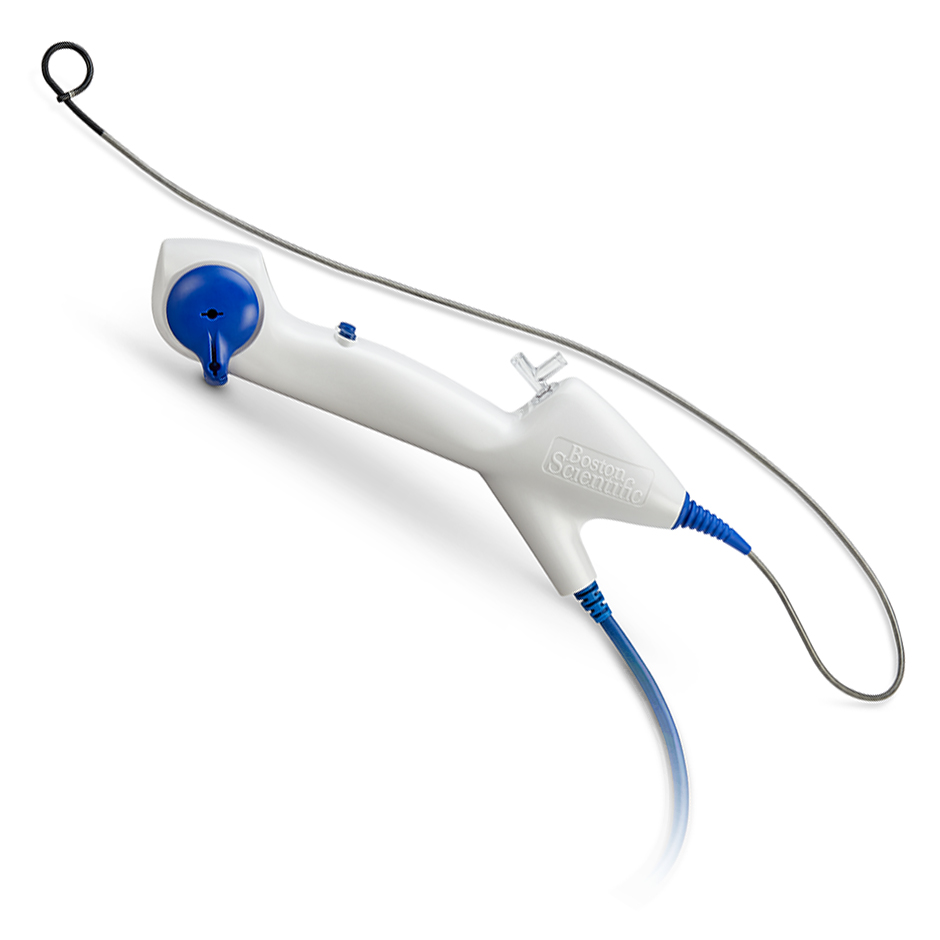

In the evolving landscape of urology, the debate between single-use and reusable ureteroscopes has garnered significant attention. As technology advances and healthcare practices evolve, understanding the nuances of both options becomes crucial for making informed decisions. This blog post delves into the pros and cons of single-use and reusable ureteroscopes, aiming to provide a comprehensive perspective on which might be the better choice for healthcare providers.
Understanding Ureteroscopes
Ureteroscopes are essential instruments used in the diagnosis and treatment of urinary tract disorders, particularly for procedures involving the ureters and kidneys. They come in two primary types:
- Reusable Ureteroscopes: Traditional devices designed for multiple uses after thorough sterilization between procedures.
- Single-Use Ureteroscopes: Disposable devices intended for one-time use, eliminating the need for reprocessing.
The Case for Single-Use Ureteroscopes
Advantages:
- Reduced Risk of Infection: One of the most significant benefits of single-use ureteroscopes is the minimized risk of cross-contamination and infection. Since each device is used only once, the chances of patient-to-patient transmission of infectious agents are substantially lower.
- No Reprocessing Needed: Single-use ureteroscopes eliminate the need for complex and time-consuming reprocessing procedures. This can lead to operational efficiencies, reducing downtime between procedures and freeing up staff for other tasks.
- Consistent Performance: Single-use devices guarantee a new, fully functional instrument for every procedure. This consistency can lead to improved procedural outcomes and reduced complications related to device wear and tear.
- Cost Predictability: While the per-unit cost of single-use ureteroscopes might be higher, they offer predictable expenses without the hidden costs associated with reprocessing, maintenance, and potential device failures.
Disadvantages:
- Environmental Impact: The disposable nature of single-use ureteroscopes contributes to medical waste, raising environmental concerns. Sustainable disposal practices and recycling programs are essential to mitigate this impact.
- Higher Short-Term Costs: Although they eliminate reprocessing expenses, single-use ureteroscopes can result in higher short-term costs, especially in high-volume practices.
The Case for Reusable Ureteroscopes
Advantages:
- Long-Term Cost Efficiency: Reusable ureteroscopes, when properly maintained, can offer significant cost savings over time. The initial investment is amortized over multiple procedures, potentially lowering the overall cost per use.
- Environmental Benefits: By reducing medical waste, reusable ureteroscopes are often considered more environmentally friendly. Proper sterilization and maintenance can prolong the lifespan of these devices, reducing the frequency of replacements.
- Technological Advancements: Advances in sterilization technology and improved reprocessing protocols have enhanced the safety and efficiency of reusable ureteroscopes, addressing some of the historical concerns regarding infection risks.
Disadvantages:
- Infection Risk: Despite advancements, there remains a risk of cross-contamination if reprocessing is not meticulously performed. Inadequate sterilization can lead to infections and other complications.
- Maintenance and Downtime: Reusable ureteroscopes require regular maintenance and calibration. Downtime for repairs and reprocessing can disrupt workflow and increase operational costs.
- Variable Performance: Over time, reusable ureteroscopes may suffer from wear and tear, potentially compromising performance. Regular monitoring and timely replacement are crucial to ensure optimal functionality.
Making the Choice: Factors to Consider
When deciding between single-use and reusable ureteroscopes, healthcare providers must consider several factors:
- Patient Safety: The primary concern should always be patient safety. Single-use ureteroscopes offer a clear advantage in reducing infection risks, but with stringent reprocessing protocols, reusable options can also be safe.
- Cost Considerations: Analyze both short-term and long-term costs, including the hidden expenses of reprocessing, maintenance, and potential downtime.
- Environmental Impact: Assess the environmental implications of each option. Implementing sustainable practices for disposable devices and efficient reprocessing for reusable ones can mitigate adverse effects.
- Operational Efficiency: Consider the impact on workflow and staff workload. Single-use ureteroscopes can streamline operations, while reusable ones require careful scheduling and reprocessing management.
- Technological Needs: Evaluate the technological capabilities and requirements of your practice. Advanced sterilization techniques and maintenance protocols can enhance the viability of reusable ureteroscopes.
Conclusion
The decision between single-use and reusable ureteroscopes is not one-size-fits-all. Each option presents distinct advantages and challenges. Ultimately, the choice depends on balancing patient safety, cost-efficiency, environmental impact, and operational needs. By carefully considering these factors, healthcare providers can make an informed decision that best suits their practice and ensures the highest standard of patient care.
Conversely, reusable ureteroscopes tend to be more cost-effective over the long term, particularly in high-volume practices where the initial investment can be amortized over many procedures. They are often perceived as more environmentally friendly, given the reduction in medical waste compared to their single-use counterparts. However, the maintenance and sterilization of reusable scopes require rigorous protocols to ensure patient safety, which can be resource-intensive and potentially prone to human error.